參考版本 AFV A Faithful Version 的希臘文 2009版本
耶和華的事,不謀利沒有版權
1. In the third month when the children of Israel had gone forth out of the land of Egypt, on the same day, Heb. means the same day of the week that they left Egypt—the 5th day of the week. they came to the wilderness of Sinai;
2. For they had journeyed from Rephidim, and came to the desert of Sinai, and had pitched in the wilderness. And Israel camped there in front of the mount.
3. And Moses went up to God, and the LORD called to him out of the mountain, saying, “Thus you shall say to the house of Jacob and tell the children of Israel,
4. ‘You have seen what I did to the Egyptians, and how I bore you on eagles’ wings and brought you unto Myself.
5. Now therefore, if you will obey My voice indeed, and keep My covenant, then you shall be a special treasure to Me above all people; for all the earth is Mine.
6. And you shall be to Me a kingdom of priests and a holy nation.’ These are the words which you shall speak to the children of Israel.”
7. And Moses came and called for the elders of the people, and laid before them all these words which the LORD commanded him.
8. And all the people answered together and said, “All that the LORD has spoken we will do.” And Moses returned the words of the people to the LORD.
9. And the LORD said to Moses, “Lo, I come to you in a thick cloud that the people may hear when I speak with you, and believe you forever.” And Moses told the words of the people to the LORD.
10. And the LORD said to Moses, “Go to the people and sanctify them today and tomorrow, and let them wash their clothes.
11. And be ready for the third day; for on the third day the LORD will come down in the sight of all the people upon Mount Sinai.
12. And you shall set bounds for the people round about, saying, ‘Take heed to yourselves. Do not go up into the mountain, or touch the border of it. Whoever touches the mountain shall be surely put to death.
13. There shall not be a hand to touch it, but he shall surely be stoned or shot through with an arrow; whether beast or man, it shall not live.’ When the trumpet sounds long, they shall come up to the mountain.”
14. And Moses went down from the mountain to the people and sanctified the people. And they washed their clothes.
15. And he said to the people, “Be ready for the third day. Do not approach a woman.”
1. 以色列人離開埃及己經三個月,這日就是出埃及那一天,這日他們踏足西乃,這塊廣闊的曠野的外圍。
2. 他們從利非訂起營繼續,到西乃曠野內圍,在附迎一處山下安營。
3. 大能者在山上呼喚摩西,告訴他對雅各家的後代,就是今日的以色列人,告訴他們:
4. 以色列人,你們是親身經歷大能者向埃及人所行的奇事,我就如鷹展翅,保護你們,領到我這裡來。
5. 若實在聽從我的話,守我與你們之間的約,基於這約定,你們對我而言,是地球上最為重要。
6. 要對以色列人鄭重說明,因為有個新身份是屬祭司的國度,為聖潔的國民。
7. 摩西聽罷,召眾族中長老來,把耶和華所吩咐的一切話都告訴他們。
8. 眾民為此同聲說:大能者吩咐的,都會遵行。摩西就這反應回報給大能者。
9. 大能者回摩西:如此,有日我會在厚密的雲中,和你對話,眾民便聽到我們之間的對話,以後便自然會相信你所吩咐的。摩西把原話通告以色列人。
10. 耶和華對摩西吩咐:告訴眾人,從今日起,要預先好去洗淨衣裳,做好事前的準備。
11. 是為第三天作預備,在那日,大能者會在眾民眼前,以厚雲的形式,親臨在西乃山上。
12. 你要為眾民劃定一處聚集的範圍,吩咐他們小心,不可超越範圍,或試圖去觸摸界外周邊事物,凡摸著的,必遭不幸。
13. 當有號角聲起時,眾人可以列隊行到那範圍之內,卻不可用手去觸摸,或碰到四周以外的任何物事,犯者,無論是人或牲畜,都會被石頭掟死,或被箭射死。
14. 摩西聽罷吩咐,便下山回到眾民住處,吩咐他們預早做好潔淨的要求,他們就把衣服拿去洗淨。
15. 有三天時間可作準備,只是在這段時間內,不可與婦女有親密關係。
與大能者相遇要外表潔淨,與摩西一起聽大能者的指導,有這樣的理解:
The requirement for the Israelites to wash their clothes before meeting God at Mount Sinai (Exodus 19:10-14) was primarily a symbolic act of consecration and reverence for a holy God, rather than a mandatory purification from specific ritual impurity.
- Symbol of Spiritual Readiness: Clean garments served as an outward symbol of inward purity, signaling that the people were setting themselves apart from ordinary life to focus entirely on God.
- Respect for Divine Holiness: Just as one would dress respectfully to meet a king, washing clothes demonstrated honor and seriousness before the “King of kings,” acknowledging that God’s presence is not casual.
- Temporary Consecration: The washing was part of a two-day preparation period that included abstaining from marital relations, marking a distinct break from daily routines to prepare for a monumental covenant event.
- Foreshadowing Inner Purity: While the physical washing was necessary, it was understood to be symbolic only; it pointed toward the deeper, internal spiritual cleansing that God ultimately requires, which later theology connects to faith and repentance.
摩西描述一段大能者向一大群人知道有位大能者,就是耶和華對他們做人處世的期望。它不是誡命或律例,是人生方向的指導。這是因為以色列人在那個時期,任務很簡單:如何重新自己,如何活出個人的自由,如何在兄弟姊妹之間能和睦同居。人,本來就有一種傾向,為己而活。
大能者便在雲層中向他們眾人宣告一些做人的方向,在他們當中,有一位比他們自己更有力的存在,就不要以自己中心,這十誡是以色列人的家訓。
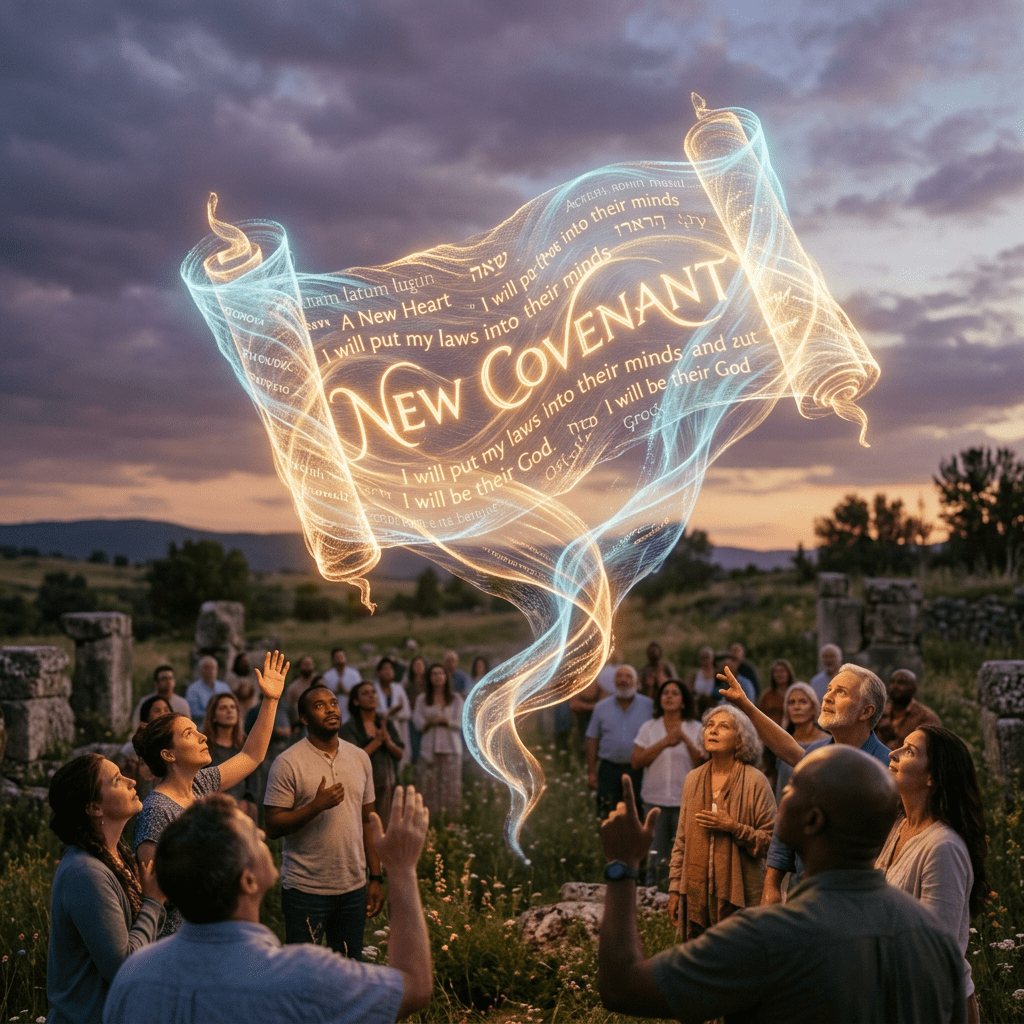
宣告家訓是件非常嚴肅的事,要隆重視之,進行立新約,就有了以下的規定:
1. 潔淨:在沙漠奔波的日子,是時候立新的約。這是重要不可輕忽的一個體會,洗乾淨衣服,讓自己換然一新,新的人新的約。他們人多加上去取水源是流出來不是現有的水塘,須要時間完成。
2. 因為人多,要安排一個範圍,就不會有人因為不想去逃避。
3. 不要任意觸碰或者隨意走動,這種不專心的事發生的時候,是人不專心所致。這是每個人都要知道的事,對個人和別人的生活和生命尤關的事,人人有責。當人不去分心,人人專注,犯事的時候,不能以沒有聽到為藉口,逃避自己的責任。
人若不留心應對,因為分心而不明白,以致放縱自己為害他人,必然受罰,甚者至死 (這不是大能者加之,而是犯事引發的個人後果)。
以上的安排不是摩西出的意思,是大能者親自與雅各的子孫立的新約。這約很具體,沒有一點含糊。這樣在判斷是非的時候,它就是一條清晰明確的界線,作為對事物對錯的指引。
大能者當時以這樣個人的方式與以色列人立約,明顯是一人犯事一人當。這種處理有個重要的原則:耶和愛你,你也要愛你的兄弟姊妹,你若犯事,這愛是用罰則以示警惕。愛罰分明。
上述的原則,不會放縱人的私慾。只是,日子遠了,口這原則在信仰中只剩下愛,大愛包容,視犯錯為小事,不是信仰的原意。於是除了大愛包容之外,人又因為過度的不去包容,它同時出現的種種規範,以條文方式去立例,用行政手段處理。大英的律例經過事日的發展,已經到了無人能守的地步,它就產生了有法不依有例不守的情況出現。只要有權,就可以不守,就難怪人會不斷往上爬的嚮往。它變成有罰無愛,或假作說是因為愛而罰,這口號堂而皇之,人人都這麼認為,瘋行全球!後患無窮。
![亞倫的人生 - 看「書」做[夢] avatar](https://0.gravatar.com/avatar/f6074d877ac1b32fc08c21617ccd47862ff21a7926977101ff8f4d09bb2d7b53?s=56&d=identicon&r=G)


Leave a Reply