參考版本 AFV A Faithful Version 的希臘文 2009版本
耶和華的事,不謀利沒有版權
30. And Moses went into the camp, he and the elders of Israel.
31. And a wind went forth from the LORD. And it brought quails from the sea and let them fall by the camp, about a day’s journey on this side, and about a day’s journey on the other side, all around the camp, and about two cubits high upon the face of the earth.
32. And the people rose up all that day and all night, and all the next day, and they gathered the quails. And he that gathered least gathered ten homers. And they spread them out for themselves all around the camp.
33. And while the flesh was yet between their teeth, before it was chewed, the wrath of the LORD was kindled against the people, and the LORD struck the people with a very great plague.
34. And he called the name of that place Graves of Lust because there they buried the people that lusted.
35. And the people set out from the Graves of Lust to Hazeroth and stayed at Hazeroth.
30. 摩西和以色列眾領袖各自回到營舍。
31. 耶和華的靈像風,引帶鵪鶉在白天,從大海那邊飛來,停留約一天的時間,散落在各營周圍,
32. 眾民就利用這一整天的時間,從早到晚,直到翌日的早晨為止,去收集鵪鶉。收集最少的也有十個賀梅珥。整個營地的人都是各自收取。
33. 有人就地把生肉咬在嘴裡,還來不及吞下,就看到耶和華的怒氣展示出來。它成了瘟疫,死了許多人。
34. 摩西將此地命名基博羅.哈他瓦,意思是埋了許多放縱情慾的人。
35. 百姓從基博羅.哈他瓦起行,落腳於哈洗錄。
上述食肉的現象出現,有研究認為是耶和華在審判,AI的引用:
Numbers 11:30-35 describes the aftermath of the Lord sending a plague upon the Israelites for their craving of meat, resulting in the place being named Kibroth-hattaavah (Graves of Craving). Commentators emphasize that this event illustrates the severe consequences of complaining, ingratitude, and carnality, noting that the people preferred the memory of slavery in Egypt over the miraculous provision of manna.
Key perspectives on these verses include:
Divine Judgment: The “very great plague” struck while the meat was still in their teeth, demonstrating that God’s anger was kindled against their unbelief and whining ingratitude, turning a blessing into a curse.
Moses’ Response: After the elders prophesied, Moses returned to the camp (v. 30), showing his role as a mediator who managed the spiritual and administrative burdens of leadership amidst the people’s rebellion.
Theological Warning: Sermons and commentaries use this passage to warn against grumbling and lust, highlighting how focusing on immediate physical desires can lead to spiritual decay and divine discipline.
AI這樣的解釋,當中有個疑問,反映出用什麼觀點視覺去解釋這事件,就會有不同的結論。看文字表達,是以服從耶和華為前題,人不聽從強行的結果。事實是這樣?
不是。那是人在一個資源極之貧乏的處境下生存,這個現象是否可以:饑不擇食去形容?相信可以,而且不只一個理由。況且,耶和華守約,有水有食物,只因人享用慣,會不去當初那份簡單,因而為此發其勞騷。這是人習慣難改。當人出埃及進入新的環境,習慣難改,是人自己的適應力。習慣變壞改正需時,只是人大多不願意改,叫神將就他。
人在這種饑不擇食的確會如此改不了自己的習慣,那麼以色列人是否在這種處境?有人覺得是,也有不是。釋經人仕沒有考慮身在這樣處境的人,作出那樣 [急食] 的行為,有其處境須要考慮,不去區分出來,那才是問題。
有些人確實是不理性處理,有強烈的個人私慾存在。也有許多人靜觀其變。這些急急食肉的人,是沒有自控做成瘟疫出現的主要緣由,死得其所。被牽連至死,這些人才叫不幸。
這段經文似乎是反映這樣的一個事實,讓二方面的人,私慾重因而衝動,失去自控的人,和沒有這樣進取心態,冷靜能自控一時衝動,都有一個共同特點,不會血氣行事。二類別的人都會在任何一個群體中出現,為此產生出來的牽連可大可小,有些是幫助有些是破壞。
摩西把事件的二面同時展現,似乎是讓人看清這二類別人士,看官是屬那類,從而作出反醒。至於如何作出合時的反應,有耶和華同在是一種,沒有是另一種。
如何作決定是個人的事。
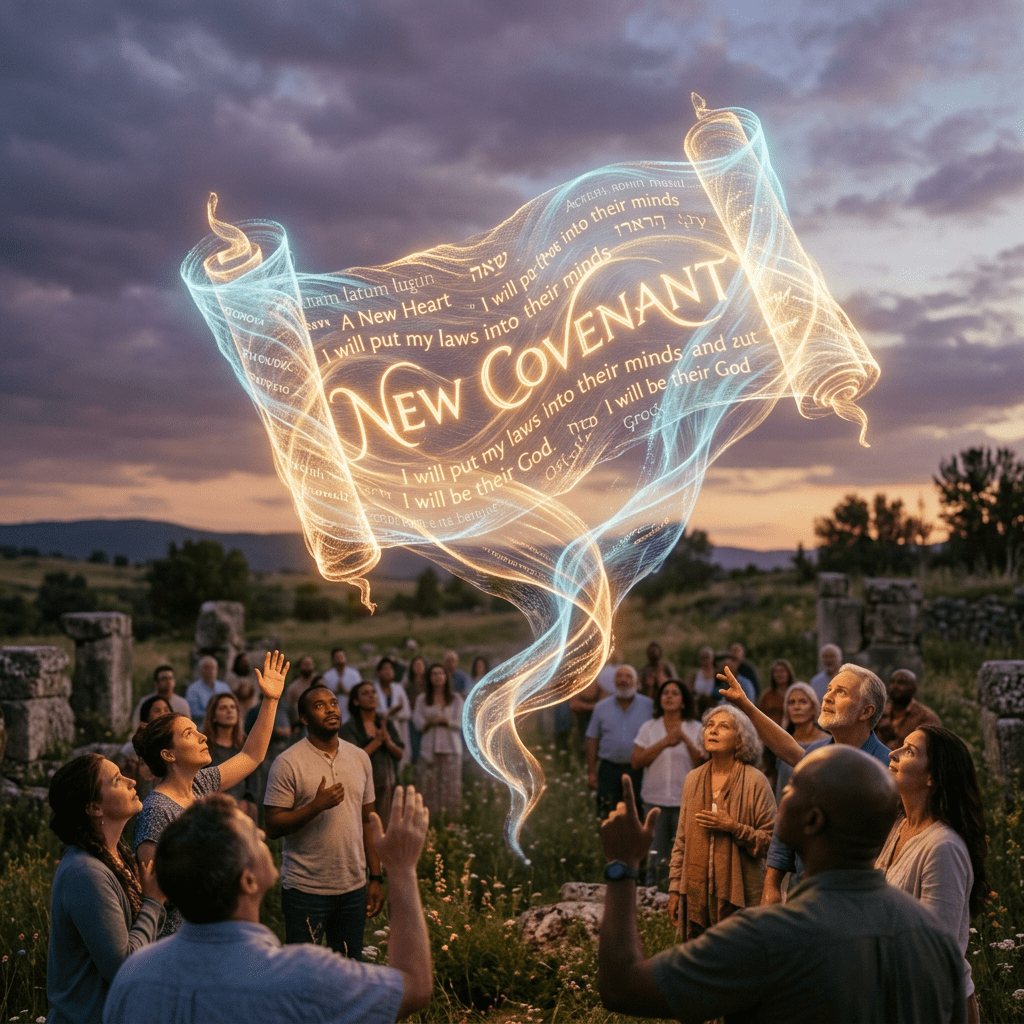
這處似乎重點在於耶和華在有約的情況下,祂是守約施慈愛。不單在舊約的以色列人如此,在新約相信的人,悔改就是立約開始,意思是人願意是立意與耶和華立的約,人要守約,耶和華在歷史當中,顯示出祂永不失約。當人沒有守約,就不會得耶和華的幫助,因為耶和華沒有主動,祂在等待,有心的人,耶和華對這樣的信心之人,守約到底。
現代人將這個觀念攪亂,以為耶和華與對以色列人守約,必然與新約願意悔改的人主動立約,是同一回事,事實不然。耶和華是主動與以色列立約,到新約,是耶穌展示,耶和華願意與人立約,新約的人有自由選擇的權利,這權利以色列人是沒有,因為是耶和華對雅各的承諾。現代人的悔改,這約只對這個人,卻因為這人相信,必然守住他的後代。只有一個情況不是:這人反悔。
對守約的人,慈愛永遠隨著,從這人開始直至三代 (三代之後似乎是另一個循環,因為世界改變,人心思換導致)。
![亞倫的人生 - 看「書」做[夢] avatar](https://0.gravatar.com/avatar/f6074d877ac1b32fc08c21617ccd47862ff21a7926977101ff8f4d09bb2d7b53?s=56&d=identicon&r=G)
 人生裡外-隨緣來去
Leave a comment